馆藏精品 · Five Halls · Five Centuries
The Collection
以瓷器诉说的历史
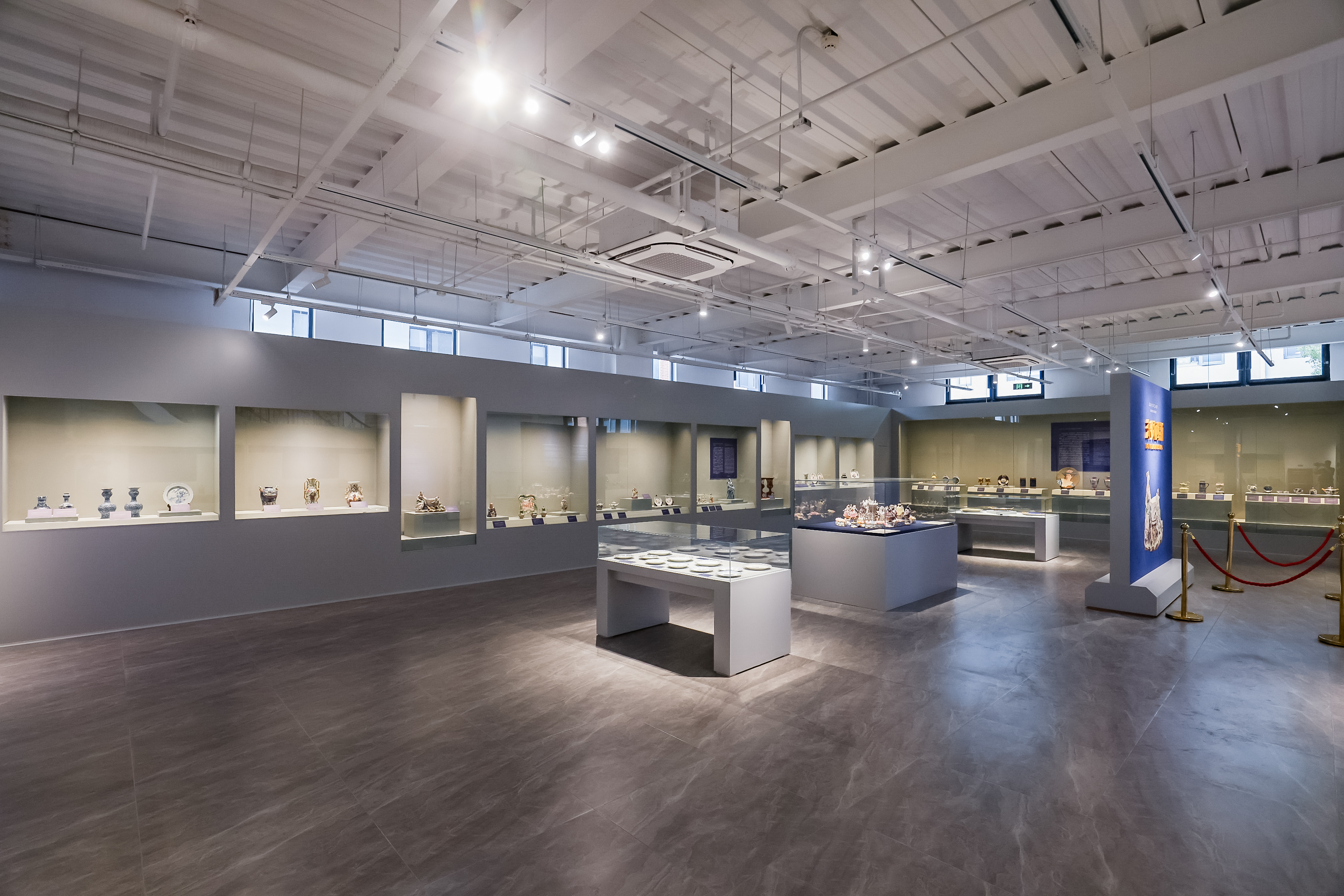
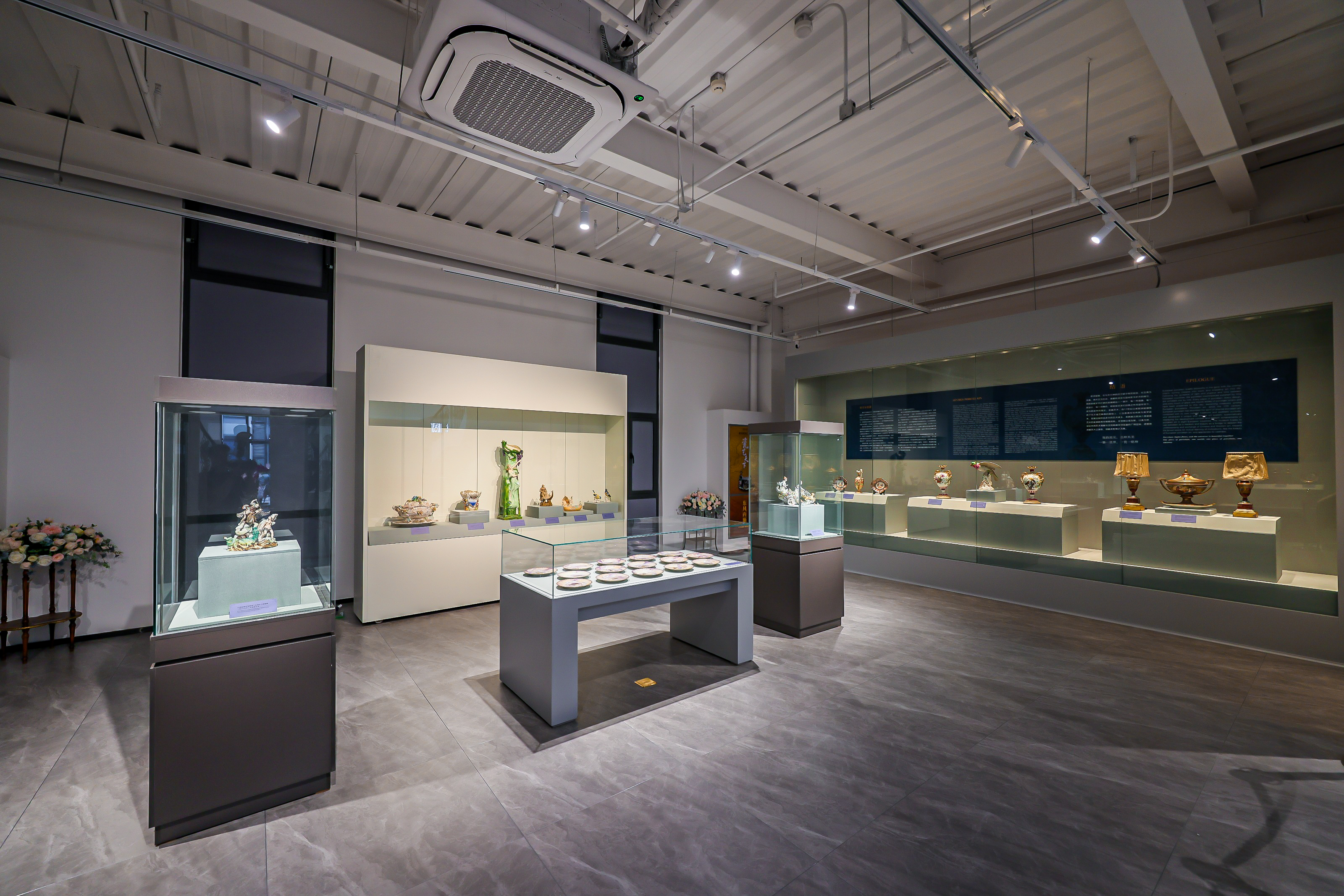
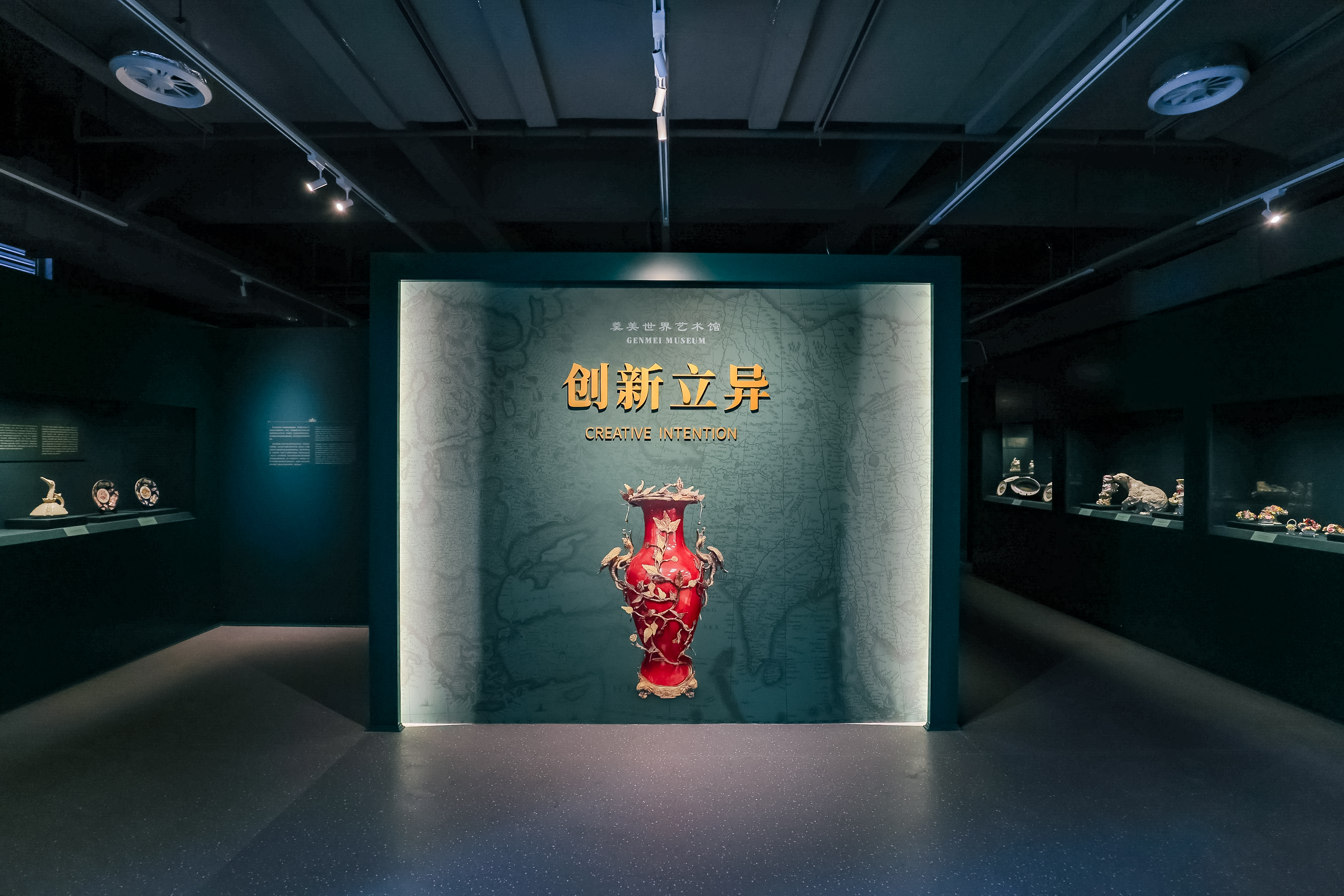
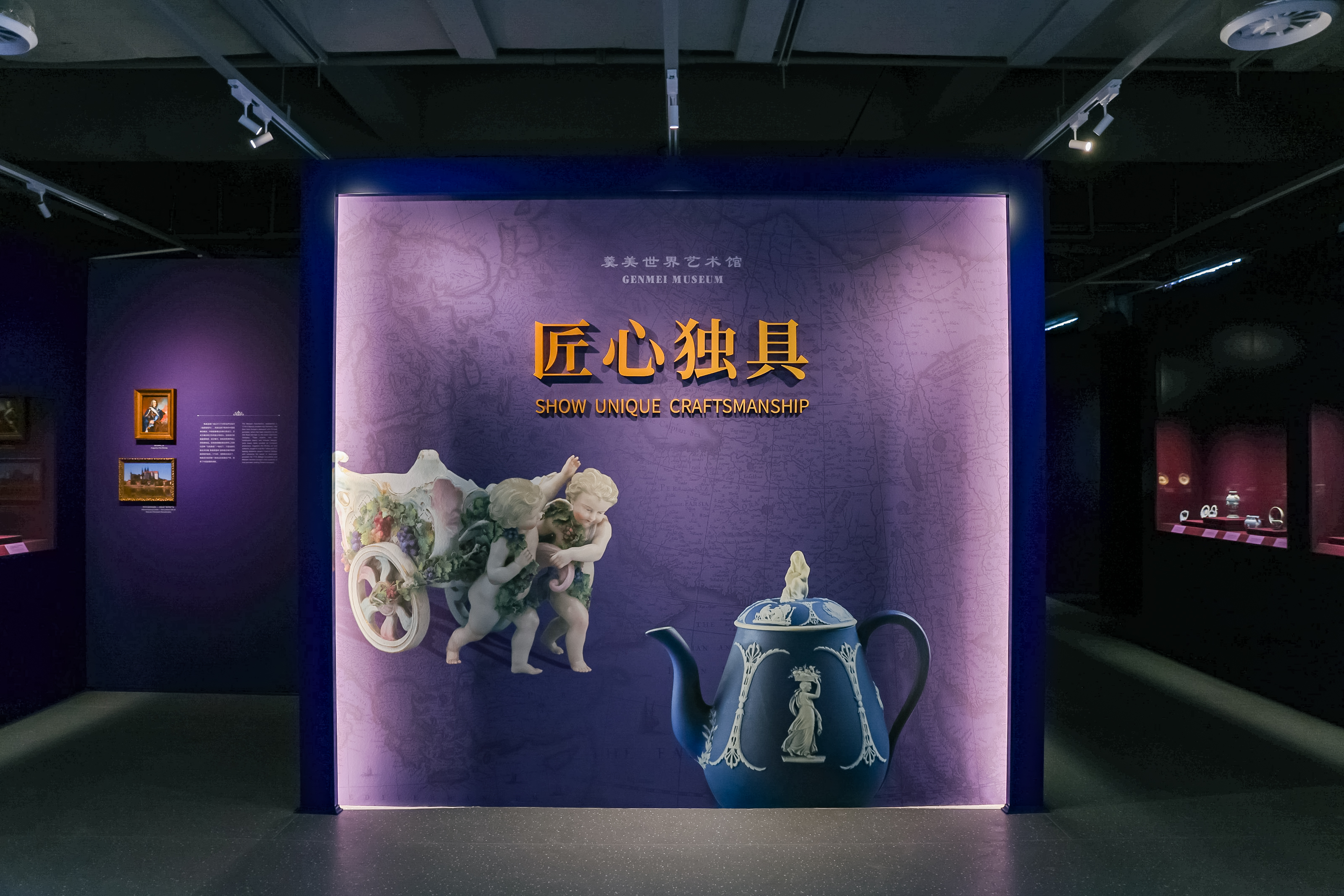
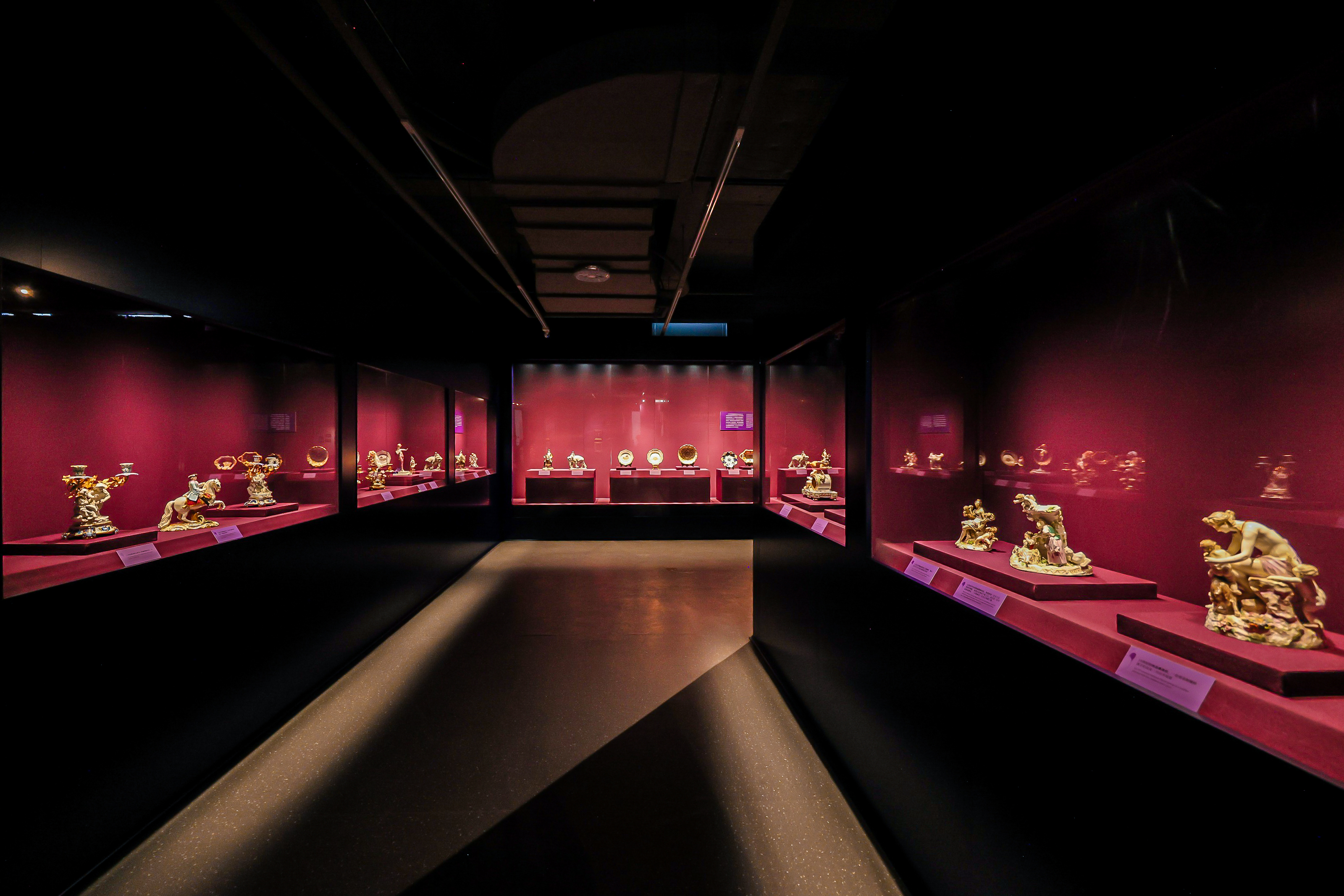
The Genmei collection traces one of the most remarkable stories in the history of art - the journey of porcelain from the imperial kilns of China to the courts of Europe. Assembled over thirty years by founders Laszlo Parakovits and Sunny Jian Wei Sun, it spans five centuries.
Each piece has been selected not merely for its beauty, but for the story it tells - of cultural exchange, artistic ambition, and the enduring influence of Chinese civilisation on the world.
The Collector's Eye · 收藏家的视野
"Every piece we acquired, we asked the same question - does this tell the story? Does it show, in beautiful, tangible form, the debt that European art owes to China?"
Assembled over three decades across auction houses and private collections in Europe, Asia and North America.
The imperial kilns at Jingdezhen produced porcelain of unmatched quality for over a thousand years.
Produced for the European market, blending Eastern craft with Western taste.
The reign of Emperor Kangxi produced some of the finest porcelain in Chinese history.
Meissen's crossed swords became the symbol of ceramic excellence.
The royal manufactory of France became the most prestigious porcelain factory in the world.
Celebrated for the Flora Danica service and its Blue Fluted pattern inspired by Chinese blue-and-white.
The first significant English porcelain factory, producing charming soft-paste wares.
The most technically accomplished English factory, with japonesque patterns paying homage to Chinese originals.
Celebrated for its rich gilding and vivid Japan patterns inspired by Imari porcelain.
The crossed swords of Meissen - the world's oldest trademark - is the most recognised mark in porcelain history.
Josiah Wedgwood invented Jasperware, Basalt ware, and Creamware, revolutionising ceramics.
Renowned for its hand-painted Vienna Rose pattern and sculptural Lippizaner horses.
Napoleon transformed Sevres into his personal propaganda machine.
When kaolin was discovered near Limoges, the city became the capital of French porcelain.
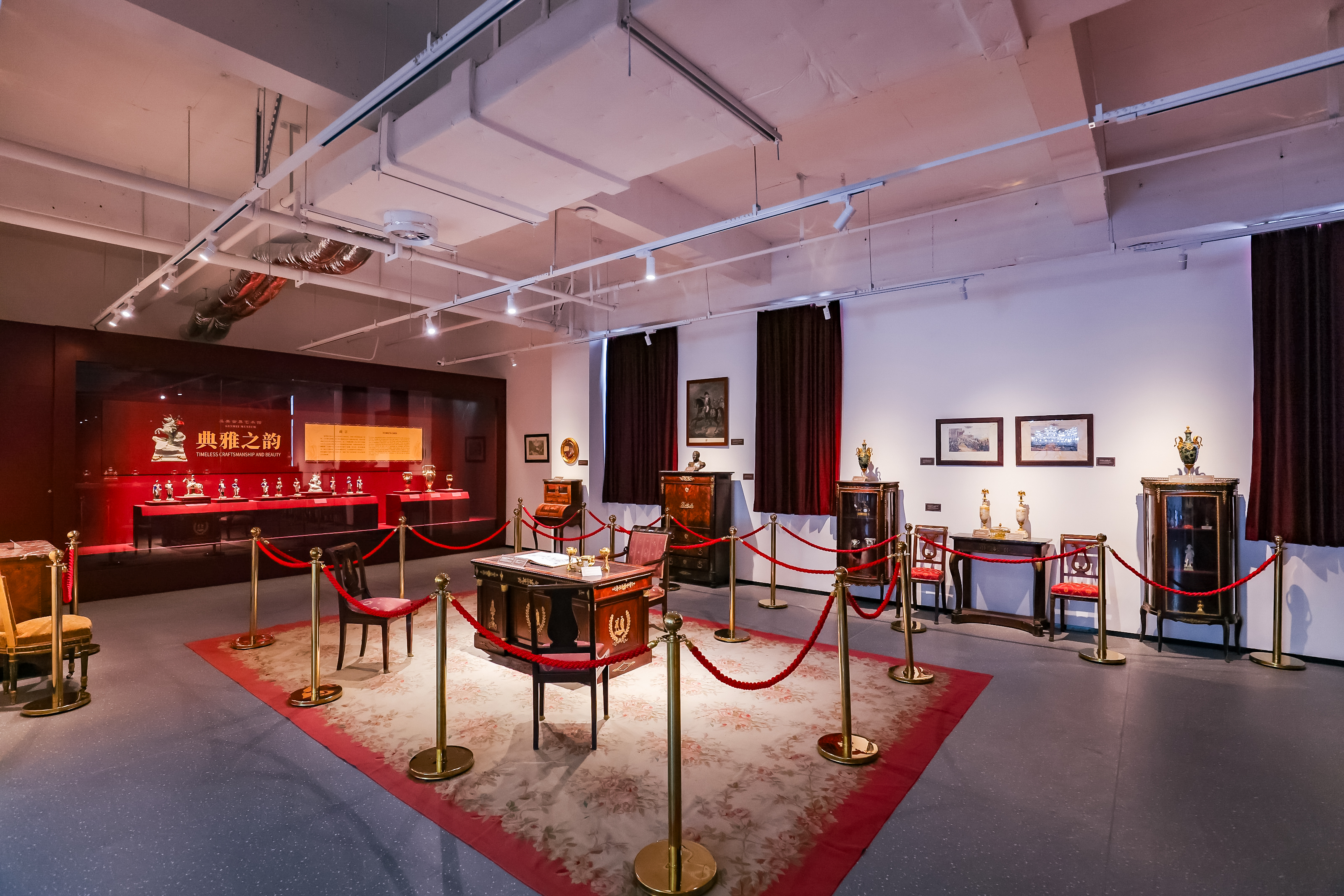
Hall Five extends beyond ceramics to include Empire-period furniture, bronzes and silver.
The collection is displayed across five permanent halls at Genmei Museum. Open Tuesday to Sunday.